Over the past few years, I’ve had hundreds of conversations with supply chain leaders across manufacturing, retail and logistics. The frustration is remarkably consistent: “We’ve invested heavily in ERP, in analytics, in AI pilots — but we still can’t see what’s happening across our supply chain in real time.”
The reason is almost always the same. The data exists. It just doesn’t connect.
That’s the problem we built Lobster to solve. And it’s exactly why our new partnership with Snowflake matters — not just as a commercial announcement, but as a meaningful step forward for how European businesses build intelligent, connected supply chains.
The Real Problem: 80% of Supply Chain Data Lives Outside Your ERP.
Here’s a number that should give every supply chain executive pause: over 80% of supply chain data lives outside an organisation’s core systems.
Think about what that means in practice. Your ERP knows what you ordered. It doesn’t know whether your supplier’s production line is running on schedule. Your analytics platform can model demand beautifully. It can’t see the carrier delays sitting in an EDI message from three days ago. Your AI initiative promises to predict disruptions before they happen — but it can only work with data it can actually reach.
This is the core supply chain data integration challenge — and it’s structural, not just technical. It’s the gap between operational reality and the systems organisations rely on to run the business.
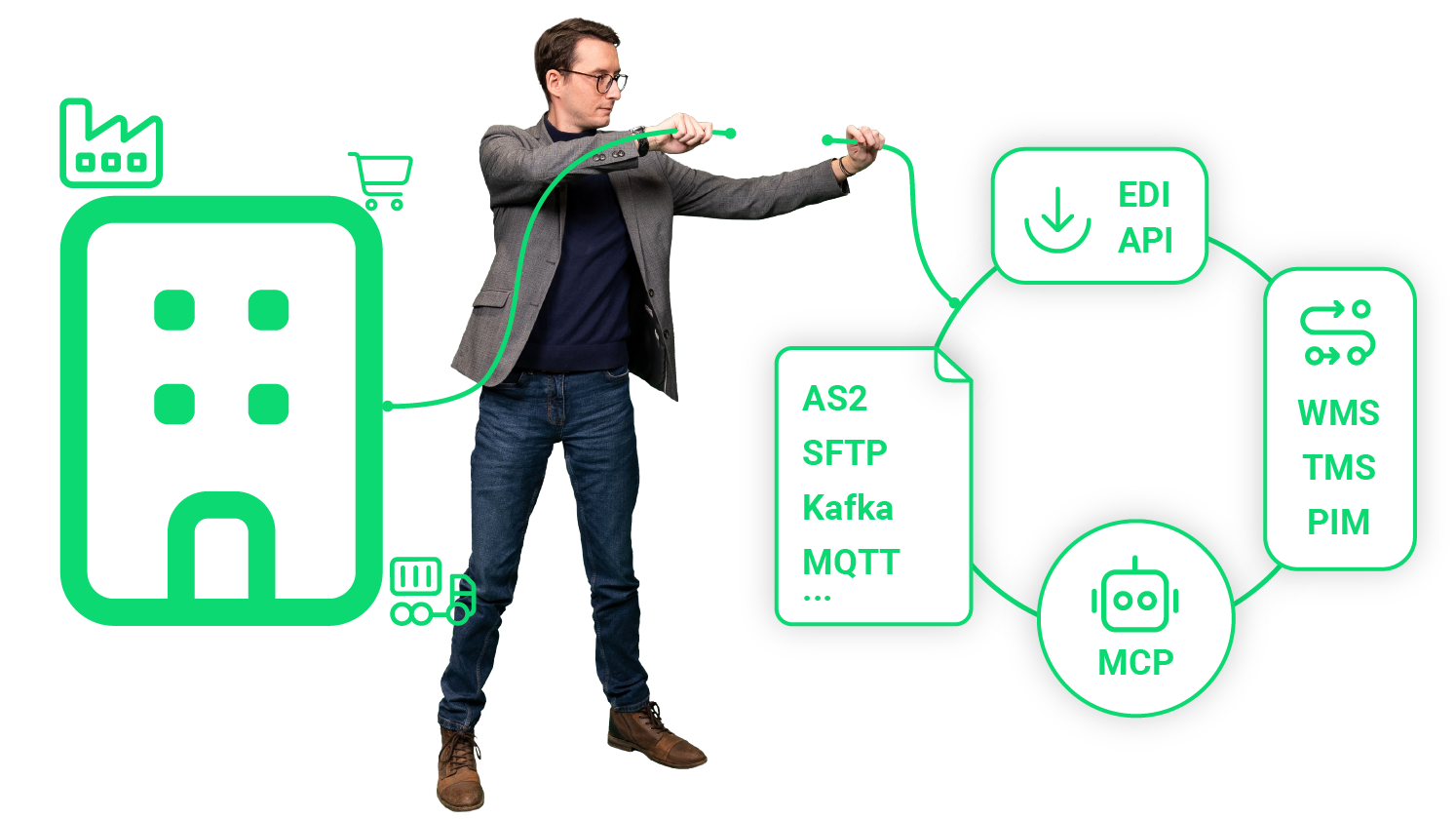
Suppliers communicate over EDI. Carriers use APIs, flat files, portals, or email. Warehouse operators run systems built a decade ago. Customs authorities, logistics service providers, trading partner networks — they all speak different languages, run on different protocols, and operate on different cycles.
Connecting all of that, reliably, at scale, across the full multi-party supply chain — that’s what we’ve spent 20+ years building at Lobster. And it’s precisely what generic integration platforms were never designed to do.
From Data Silos to a Connected Supply Chain Ecosystem.
Supply chain data silos aren’t just a technical inconvenience. They have direct operational consequences.
When data doesn’t flow reliably between trading partners, systems and decision-makers, the effects cascade: forecast errors multiply, exceptions are caught late, manual workarounds accumulate, and the confidence required to act on AI-generated insights simply isn’t there.
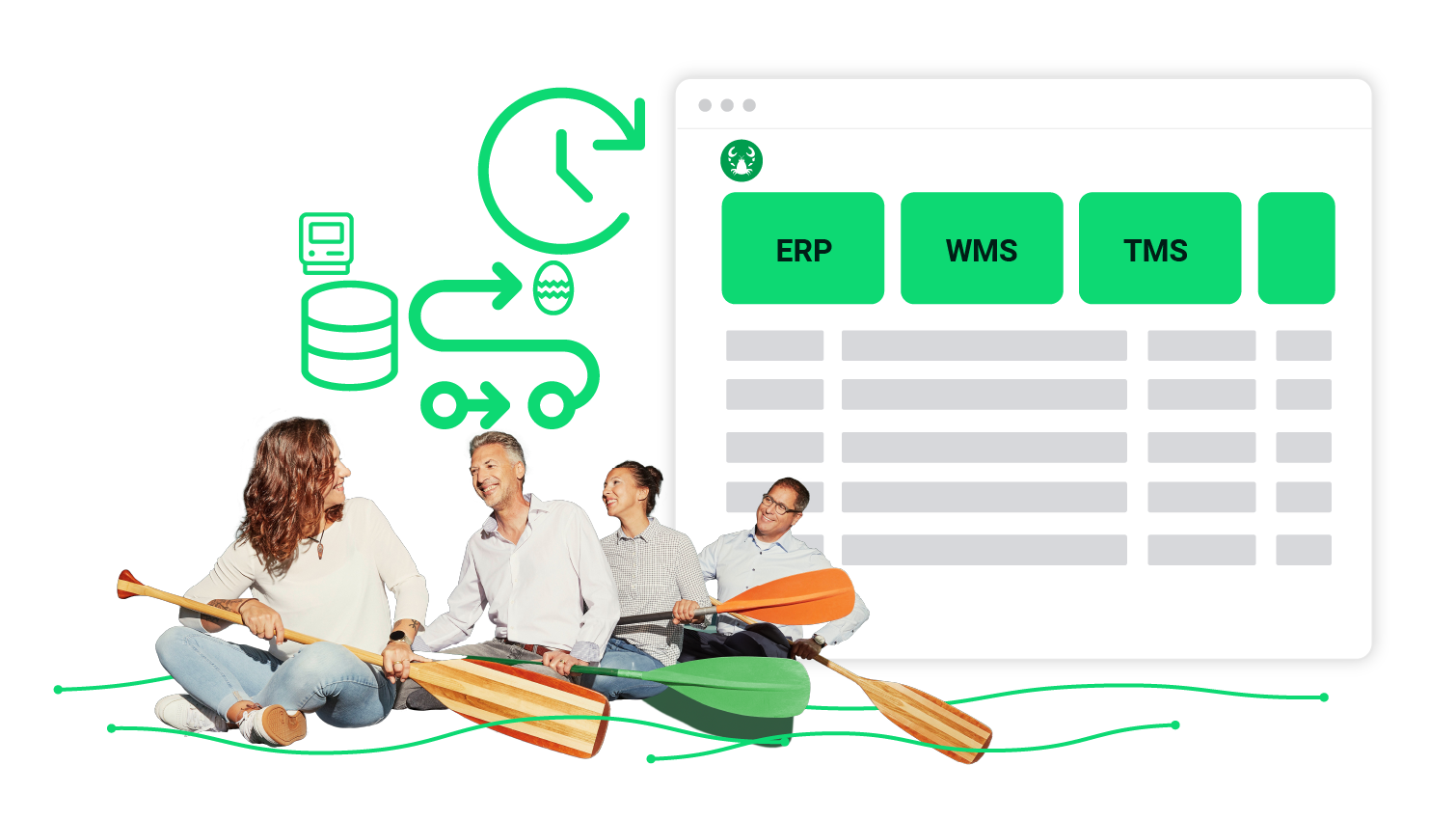
Most organisations reach a point where they’ve invested in ERP, WMS, TMS, analytics and visibility tools — and still can’t answer basic questions in real time. Where is my shipment? What’s my supplier’s actual delivery date? What’s my true inventory position across all channels and regions?
The answer isn’t more tools. It’s a proper supply chain data integration layer — one that reaches every edge of your ecosystem, normalises what it finds, and delivers it continuously into the systems where decisions get made.
That integration layer is Lobster. And the analytics and AI platform sitting above it is Snowflake.
Why Lobster and Snowflake: A Natural Division of Roles.
When we evaluated where to build Lobster’s strategic data partnership, Snowflake’s AI Data Cloud was the clear answer. The complementarity is architectural.
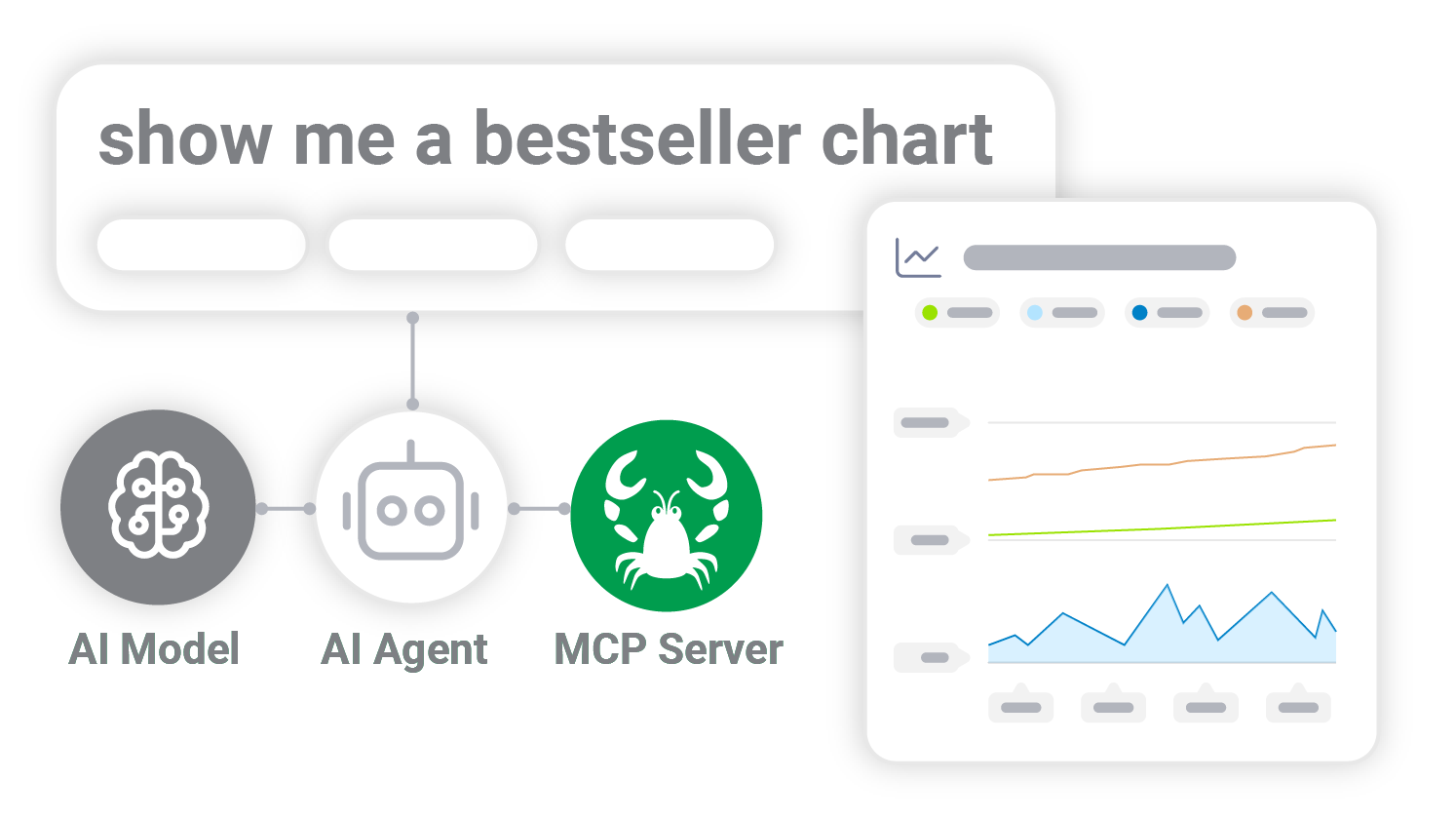
Lobster is the movement and connectivity layer. We connect the data that’s hardest to reach — from trading partners, legacy AS400 systems, IoT sensors on the shop floor, modern APIs, and EDI formats that other integration platforms don’t handle well. We normalise it, validate it, and deliver it continuously and reliably. Our EDI and API integration capabilities cover the full spectrum: from decades-old communication standards to MCP connectivity for AI agents.
Snowflake is the storage and intelligence layer. It takes that continuous flow of multi-party supply chain data and enables teams to run advanced analytics, build and deploy AI models, and act at enterprise scale — without managing infrastructure, building custom pipelines, or stitching together multiple tools.
Together, we turn supply chain data into a strategic asset. Lobster connects it. Snowflake activates it. Customers get faster insights, simpler architectures, and confidence that their data is always ready to work.
This isn’t a badge-collecting integration. It’s an ecosystem architecture designed around how supply chains actually operate: across partners, across formats, across borders.
Multi-Party Supply Chain Integration in Action: Bike24.
Bike24, one of Europe’s leading online retailers for cycling equipment and accessories, demonstrates what this architecture delivers in practice.
They use Lobster to integrate data from suppliers, carriers, SAP and their pricing systems into Snowflake’s AI Data Cloud — connecting critical processes including order management and invoicing, and enriching core ERP data with external supply chain inputs. The result is a unified, high-quality data foundation that enables financial reporting, drives operational optimisation, and feeds AI models.